Lacertidae

The Lacertidae are the family of wall lizards, true lizards, or sometimes simply lacertas, native to Afro-Eurasia.
- Number of genera
- 39
- Largest living species
- Gallotia stehlini (46 cm)
- Typical size
- Most species less than 9 cm (excluding tail)
- Primary diet
- Insectivorous (except Meroles anchietae, which may eat seeds)
- Geographic range
- Afro-Eurasia
- Earliest definitive fossil
- Early Eocene (Ypresian), Mutigny, France
Lore & Background
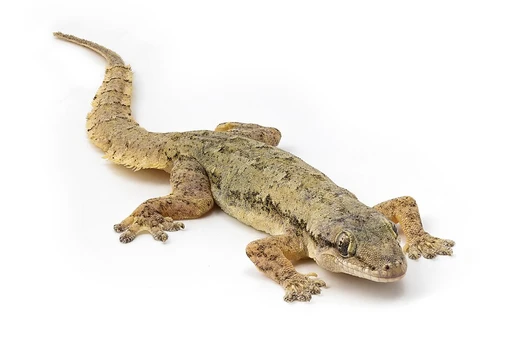
Lacertids are small to medium-sized lizards, most under 9 cm excluding the tail, though the largest living species, Gallotia stehlini, reaches 46 cm. They are primarily insectivorous, with the exception of Meroles anchietae, some individuals of which specialize in eating seeds in the Namib Desert. Their bodies are slender with long tails, and they have highly varied patterns and colors, even within the same species. Scales are large on the head, small and granular on the back, and rectangular on the underside. Most species are sexually dimorphic. European and Mediterranean species live mainly in forest and scrub habitats, while Eremias and Ophisops species replace them in Asian grasslands and deserts. African species usually inhabit rocky, arid areas. Holaspis species are among the few arboreal lacertids, and its two species are gliders, using their broad tail and flattened body as an aerofoil. At least eight species from the Caucasus are parthenogenetic, and three species give birth to live young, including the viviparous lizard, Zootoca vivipara. Lacertids are suspected to have originated in Europe, with the oldest definitive fossil from the early Eocene in Mutigny, France. They dispersed into Asia by the early Oligocene, and the timing of colonization of Africa is uncertain, ranging from the Eocene to the Miocene.
Reader's Guide
Lacertidae are significant as the dominant reptile group in Europe, with a wide ecological range from forests to deserts. The family includes notable adaptations: Holaspis species are gliders, Meroles anchietae shows dietary specialization in the Namib Desert, and several species are parthenogenetic or viviparous. Their fossil record, extending to the early Eocene of France, suggests a European origin, with later dispersals into Asia and Africa. The classification by Arnold et al. The latest extensive phylogenetic tree was produced by Baeckens et al. Extinct genera, such as Succinilacerta from Baltic amber and Plesiolacerta from the Eocene-Oligocene of Europe, provide additional context for their evolutionary history. Their legacy lies in their adaptability and role as a model group for understanding lizard evolution, biogeography, and ecology across Afro-Eurasia.
Did You Know?
- The largest living lacertid species, Gallotia stehlini, reaches 46 cm in length.
- Holaspis species are gliders, using their broad tail and flattened body as an aerofoil.
- At least eight species from the Caucasus are parthenogenetic.
- The oldest definitive lacertid fossil is from the early Eocene (Ypresian) in Mutigny, France.
Frequently Asked Questions
What are Lacertidae's powers/role?
They are overwhelmingly insectivorous, though Meroles anchietae may also feed on seeds. Most species measure under 9 cm in body length (tail excluded), with Gallotia stehlini reaching 46 cm as the largest living member.
Where can I find Lacertidae in the wild?
Their range spans the entire Afro-Eurasian landmass, from North Africa through Europe to parts of Asia. In European habitats they are the most prominent reptile group you are likely to encounter.
More in Lizards And Snakes 1-17
Spotted an error? Know more?
This is a living reference — every entry is fact-audited, and reader corrections feed straight into our audit queue. Suggest an edit · See this site's audit record